An interactive astronomy platform — discover planets, missions, cosmic phenomena and test your knowledge.
Click any planet to learn more.

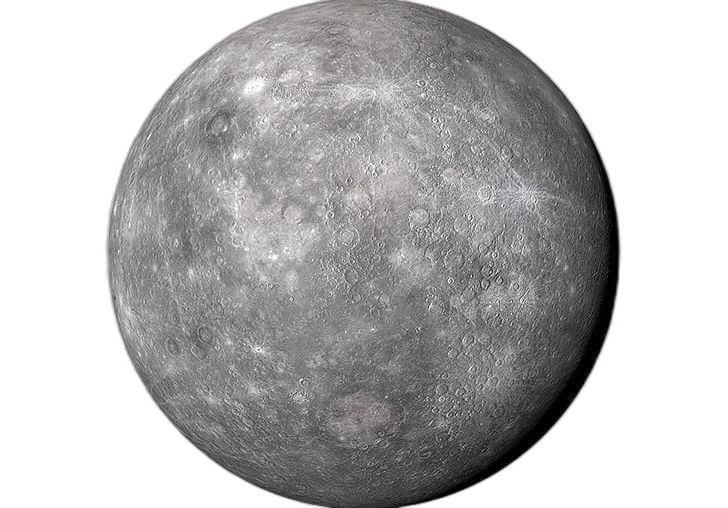
Fastest orbiting planet with extreme temperatures and no atmosphere.

Hottest planet with a thick greenhouse-effect CO₂ atmosphere.

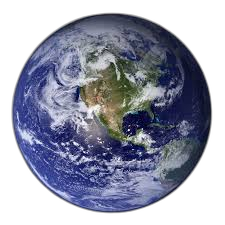
The Blue Planet — the only known world supporting life.

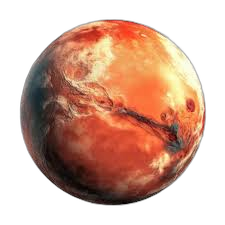
The Red Planet with volcanoes, canyons, and signs of ancient water.

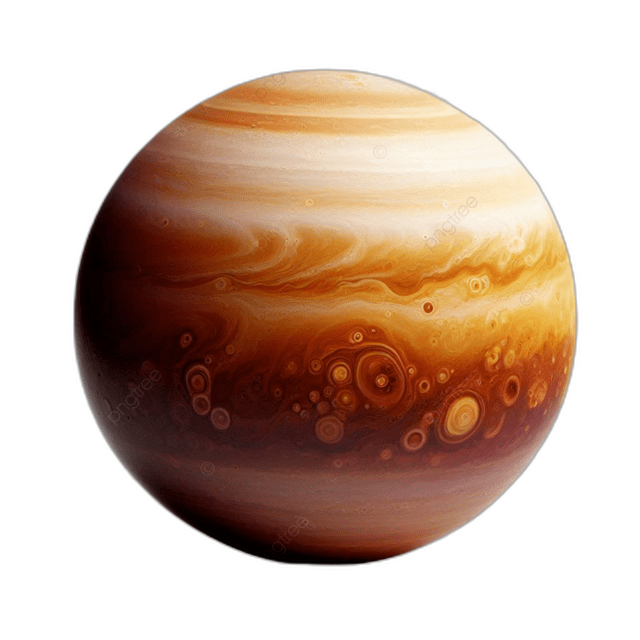
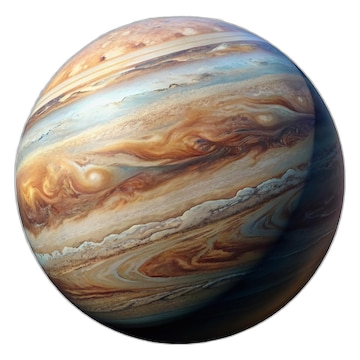
Massive gas giant with the iconic Great Red Spot storm.

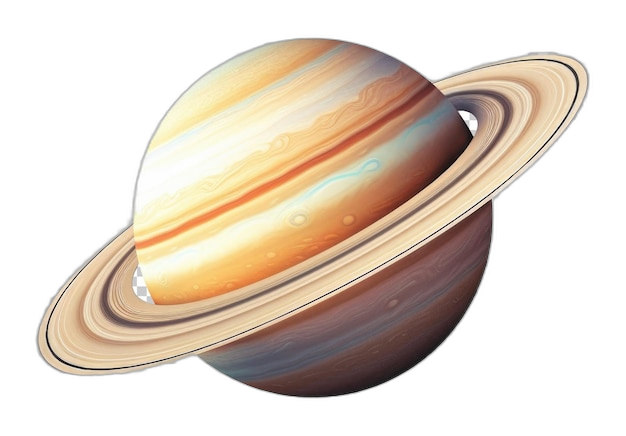
Famous for its spectacular rings of ice and rock particles.

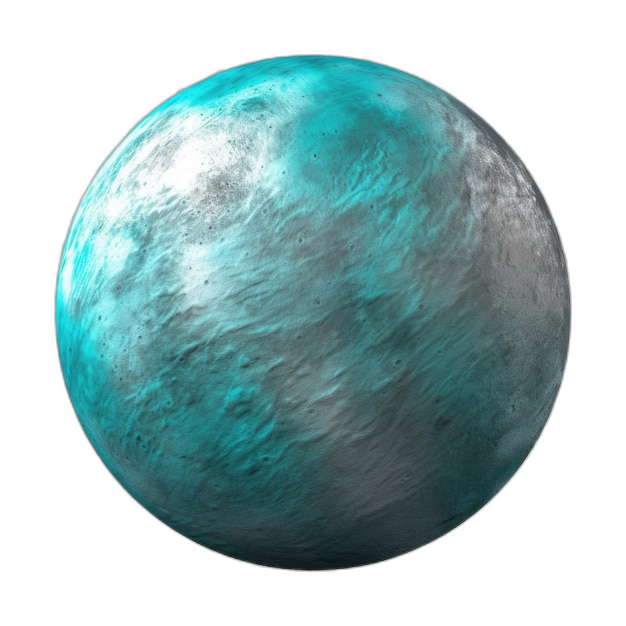
Ice giant that rotates on its side with a pale methane atmosphere.

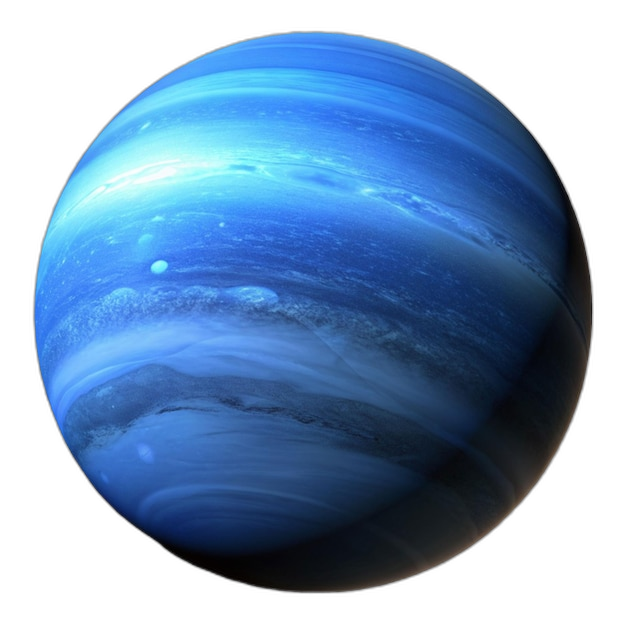
Farthest planet with supersonic winds reaching 2,100 km/h.
Humanity's greatest journeys beyond Earth.
First mission to land humans on the Moon — July 1969. Neil Armstrong and Buzz Aldrin walked on the lunar surface.
Learn More →NASA's latest rover searching for signs of ancient microbial life and collecting samples for future return to Earth.
Learn More →NASA's mission to return humans to the Moon and establish a sustainable lunar presence for eventual Mars missions.
Learn More →Launched in 1977, both probes have now crossed into interstellar space — the farthest human-made objects.
Learn More →The most powerful space telescope ever built, imaging the earliest galaxies formed after the Big Bang.
Learn More →Will conduct detailed reconnaissance of Jupiter's moon Europa to investigate whether it could harbour life.
Learn More →The most extreme and fascinating events in the universe.
Regions where gravity is so extreme that nothing — not even light — can escape. They form from collapsed massive stars.
Stellar explosions so powerful they can outshine entire galaxies. They seed the universe with heavy elements.
The collapsed cores of massive stars, so dense that a teaspoon of material weighs a billion tonnes.
Rapidly rotating neutron stars that emit beams of electromagnetic radiation like a cosmic lighthouse.
An invisible substance making up ~27% of the universe. It doesn't emit light but its gravitational effects are observed.
The most energetic explosions in the universe — brief but releasing more energy than the Sun will emit in its lifetime.
Islands of stars, gas, and dust across the cosmos.
Our home galaxy — a barred spiral containing over 200 billion stars. The Sun is ~26,000 light-years from its centre.
The nearest large galaxy to us, ~2.5 million light-years away. It will merge with the Milky Way in ~4.5 billion years.
A bright galaxy with a brilliant white core surrounded by a dramatic dark dust lane, resembling a wide-brimmed hat.
A face-on spiral galaxy approximately 21 million light-years away with prominent blue star-forming regions.
A satellite galaxy of the Milky Way, ~160,000 light-years away, visible to the naked eye from the Southern Hemisphere.
A grand design spiral galaxy interacting gravitationally with a smaller companion galaxy NGC 5195.
Track your space science journey.
Solar System basics, planet facts, space history.
Space missions, galaxies, telescopes and satellites.
Astrophysics, cosmology, dark matter and quantum space.
Test your cosmic knowledge.